What goes on the roofFive materials, and the reasons to choose between them.
A roof is a material decision before it is a price. These are the systems we install, what each is actually good at, and where it costs you something.
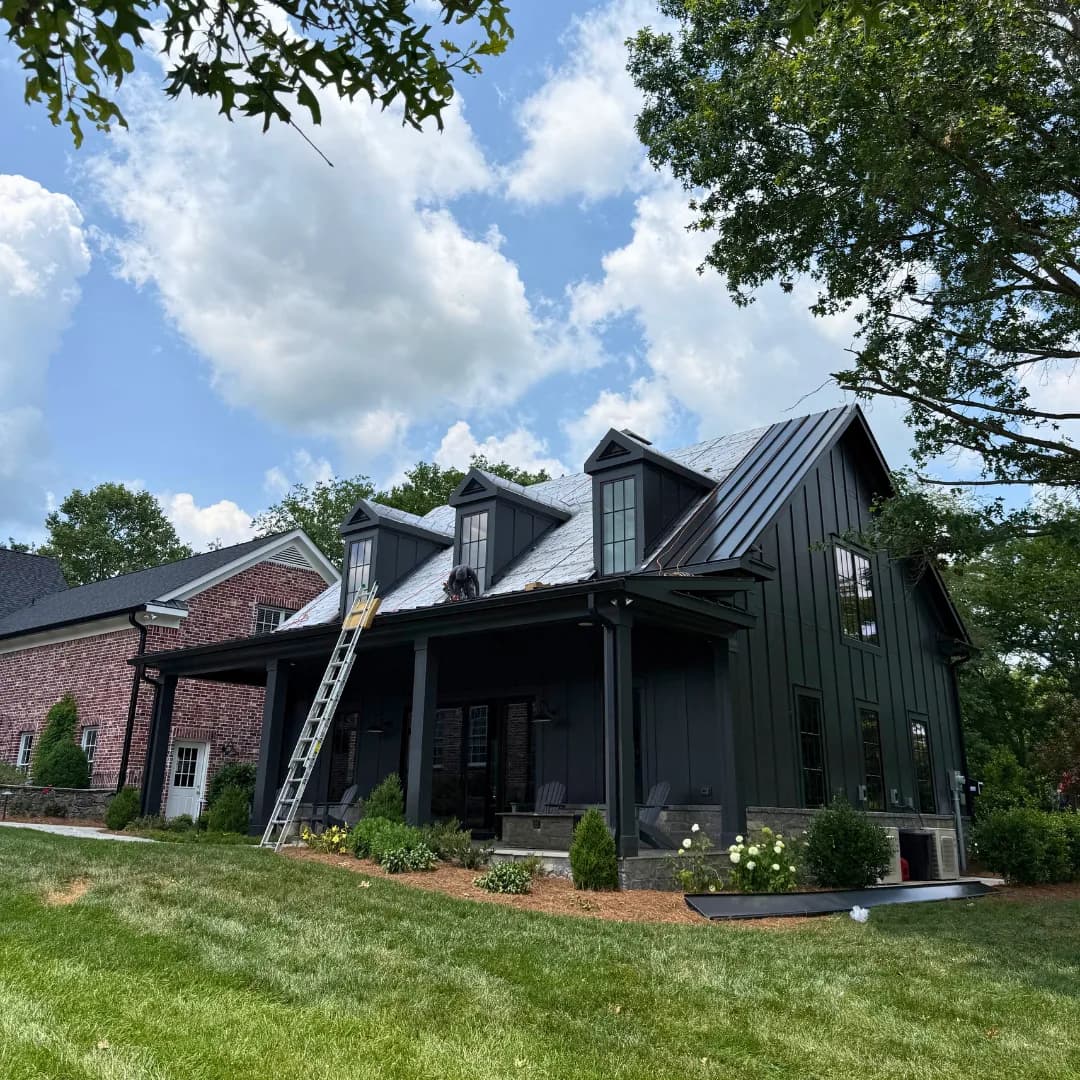
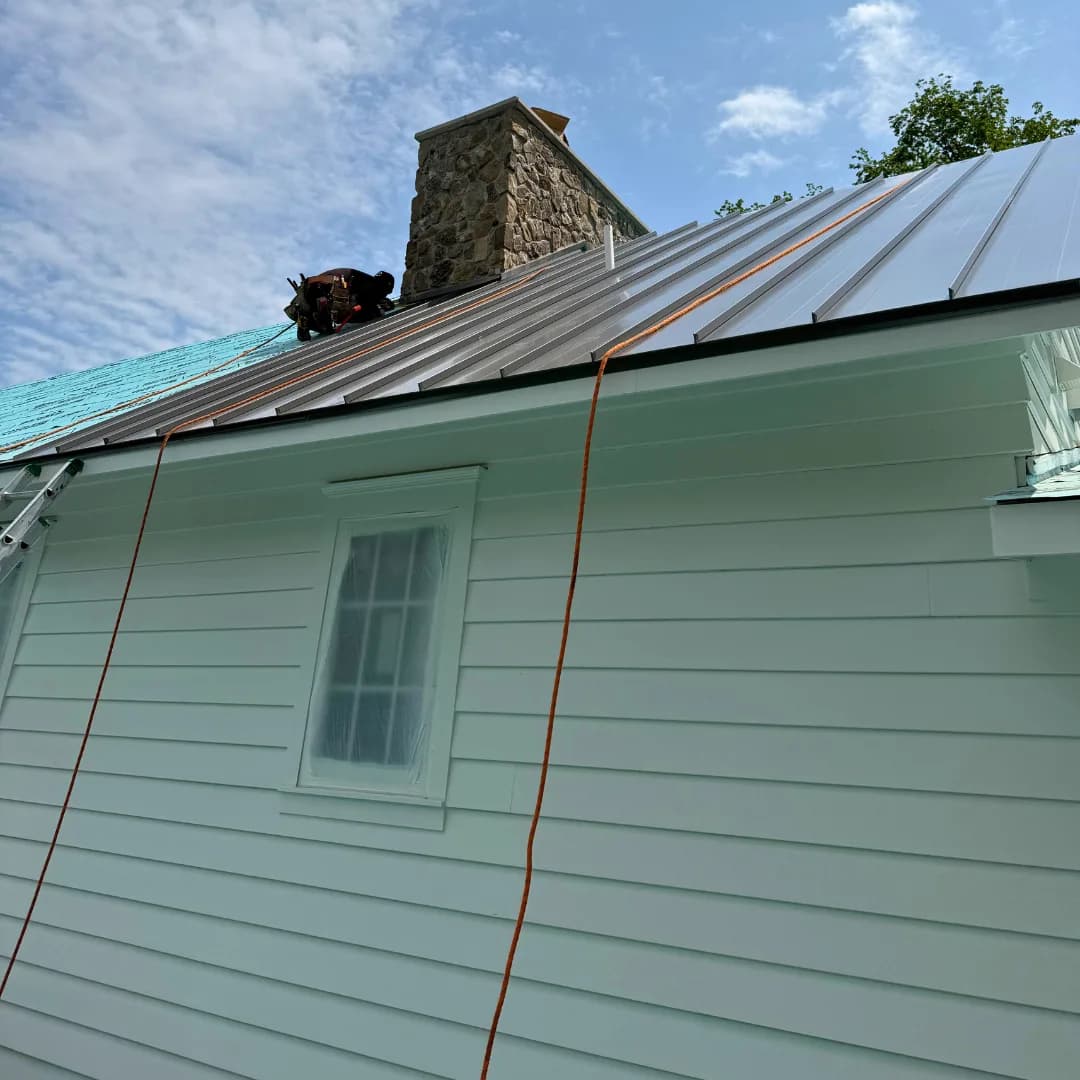
Standing-seam metal
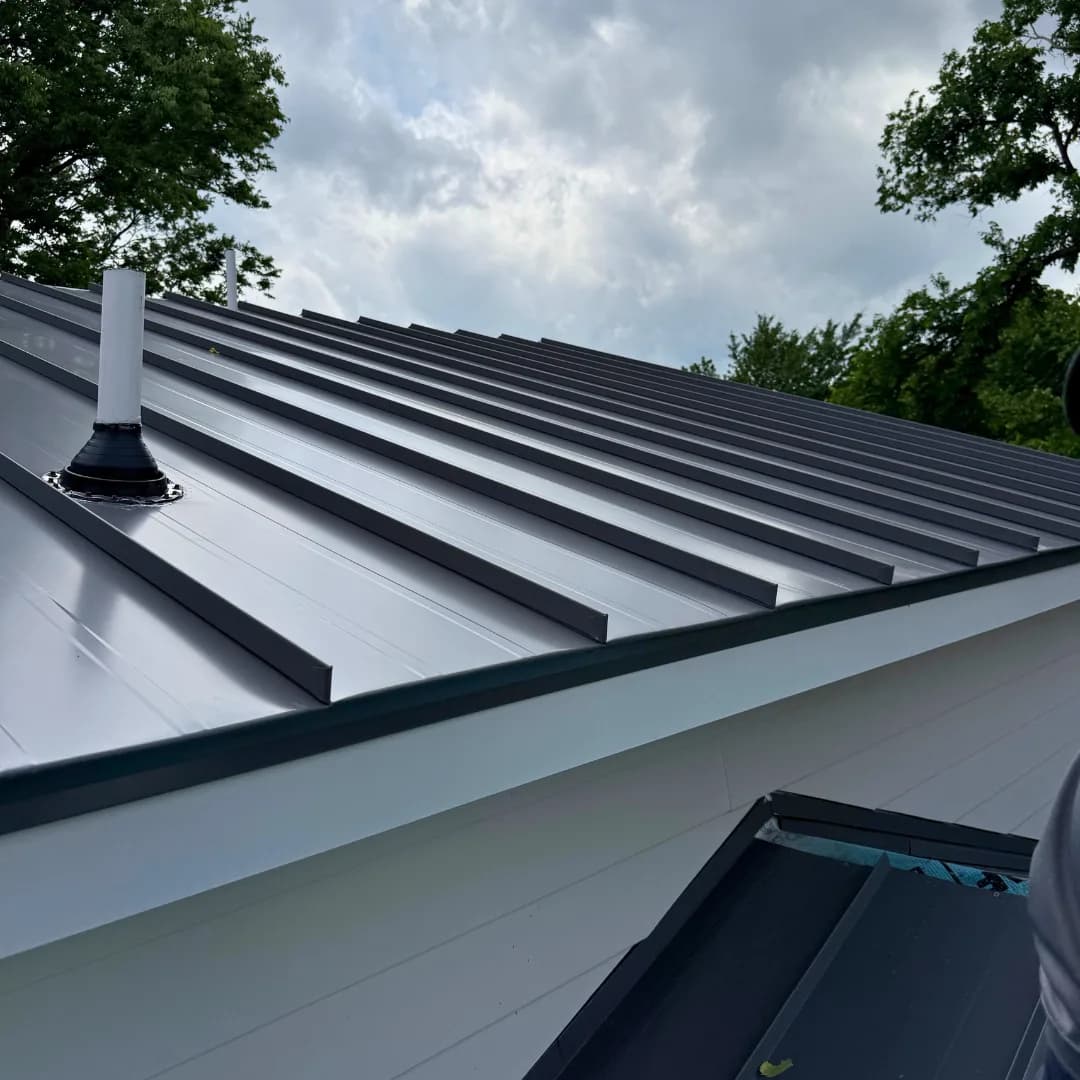
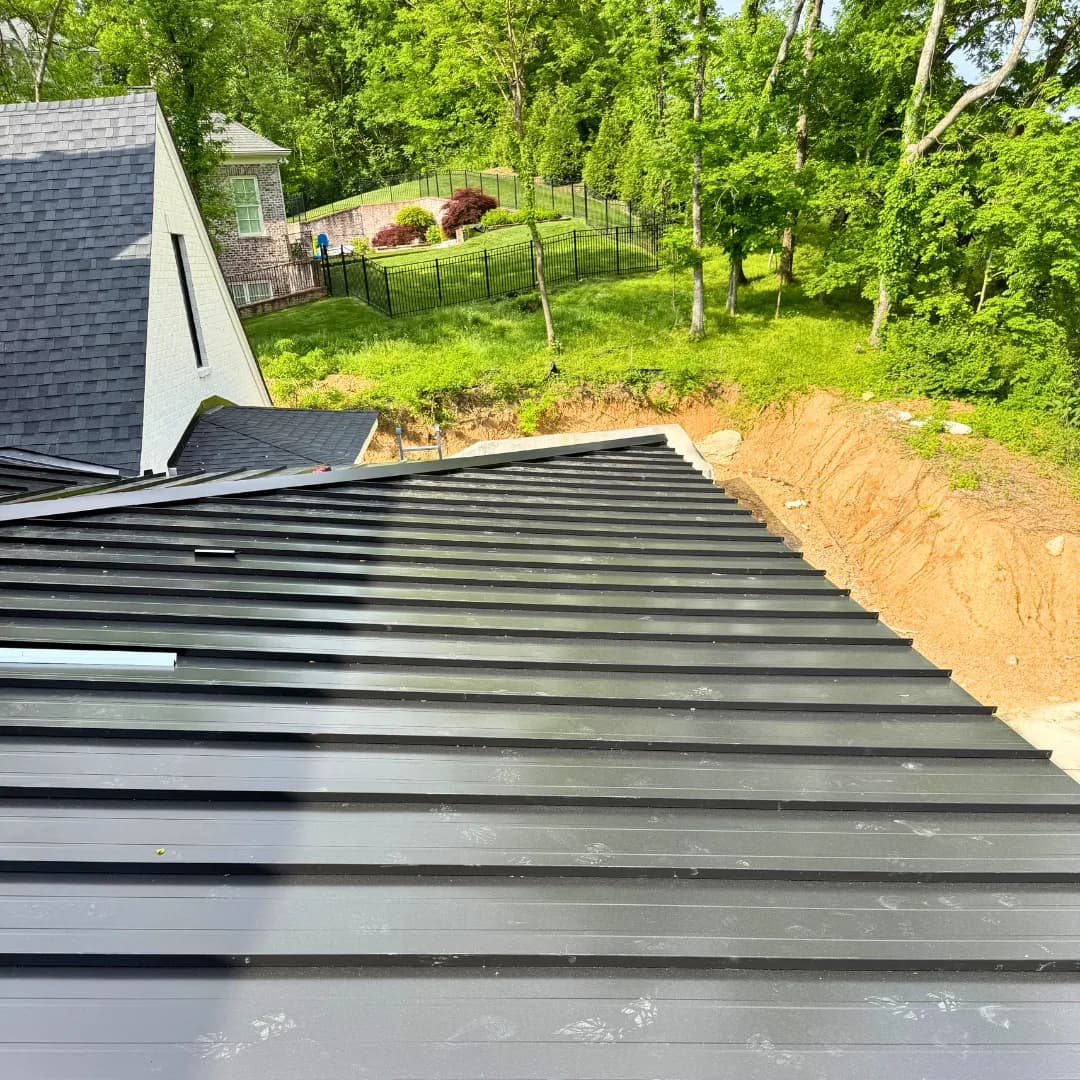
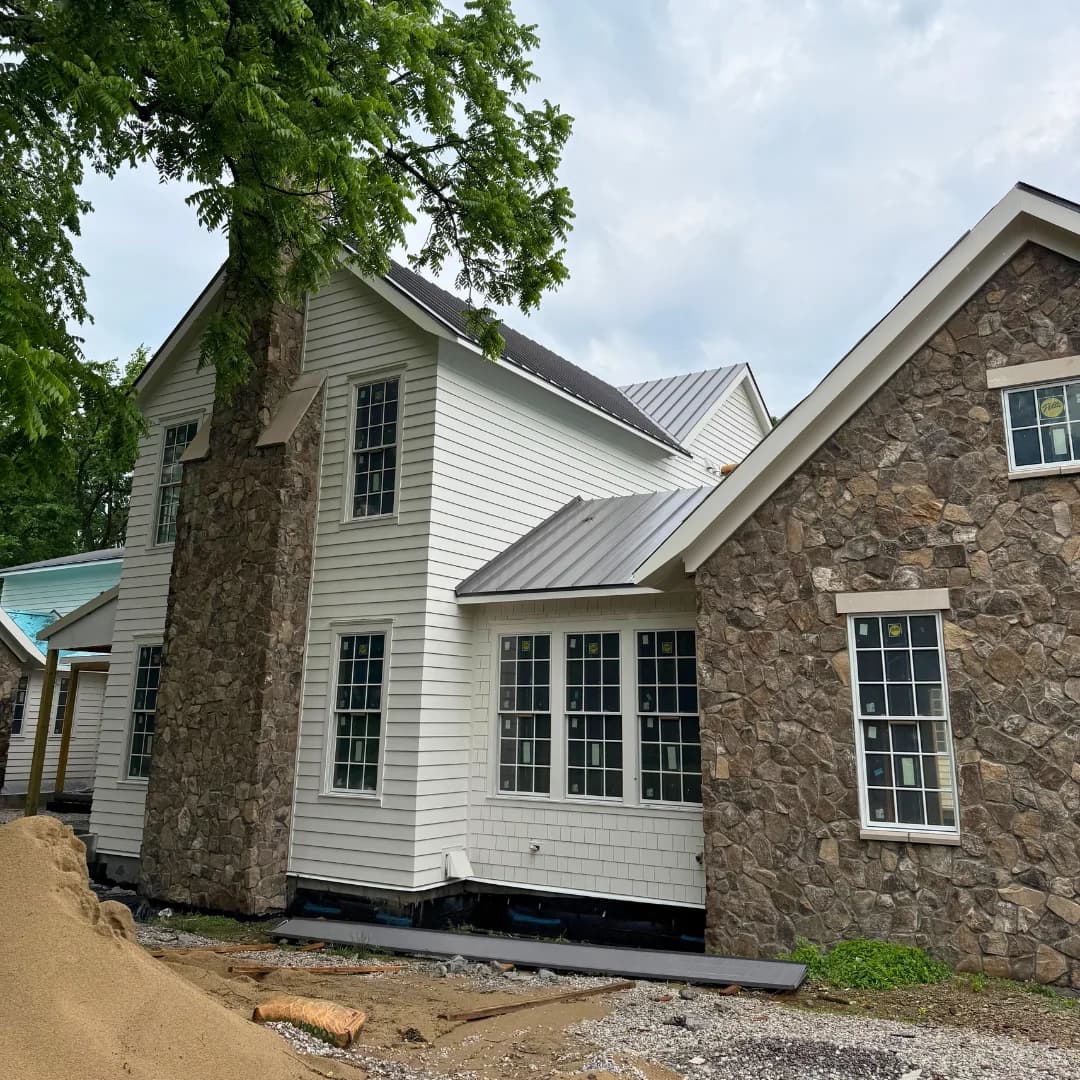
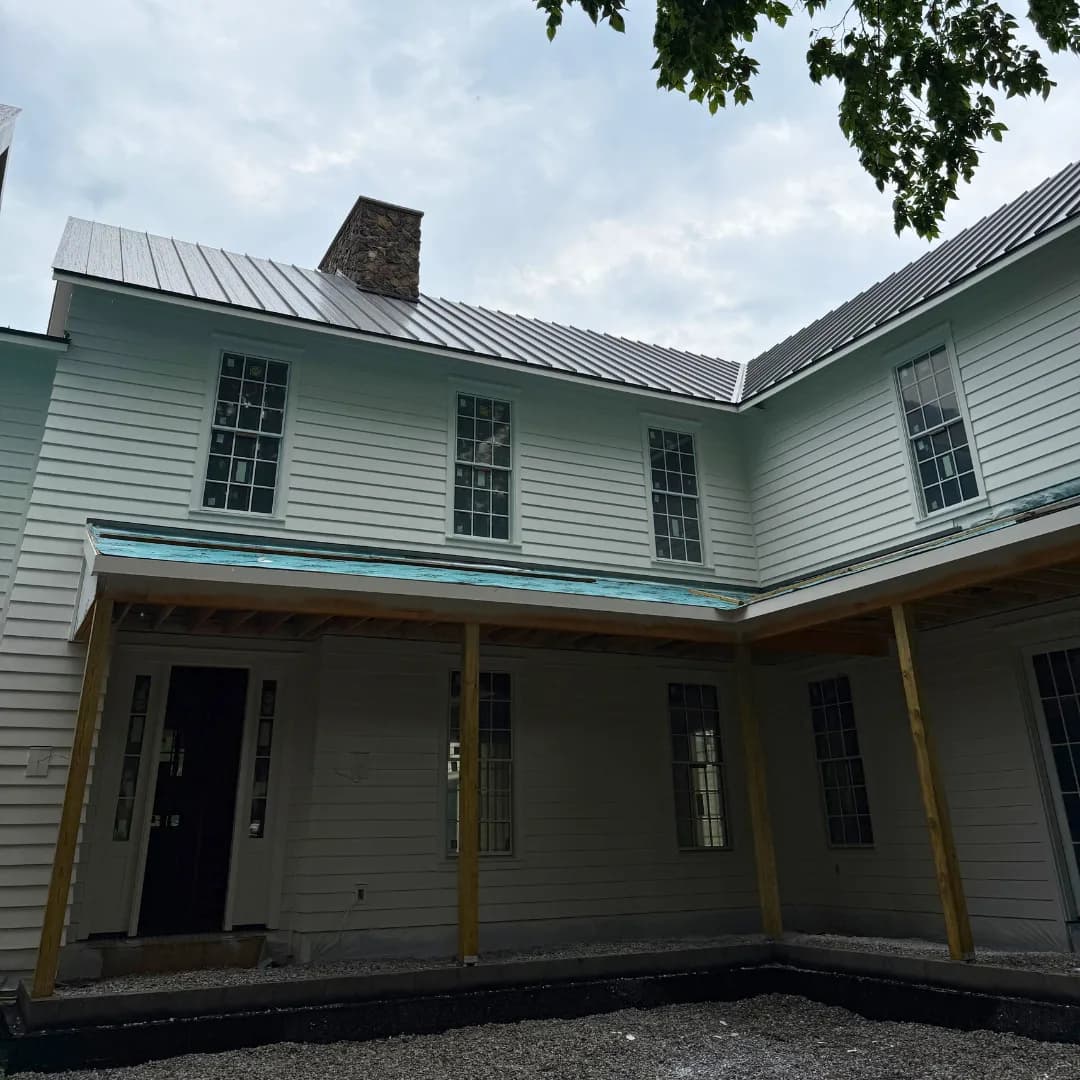
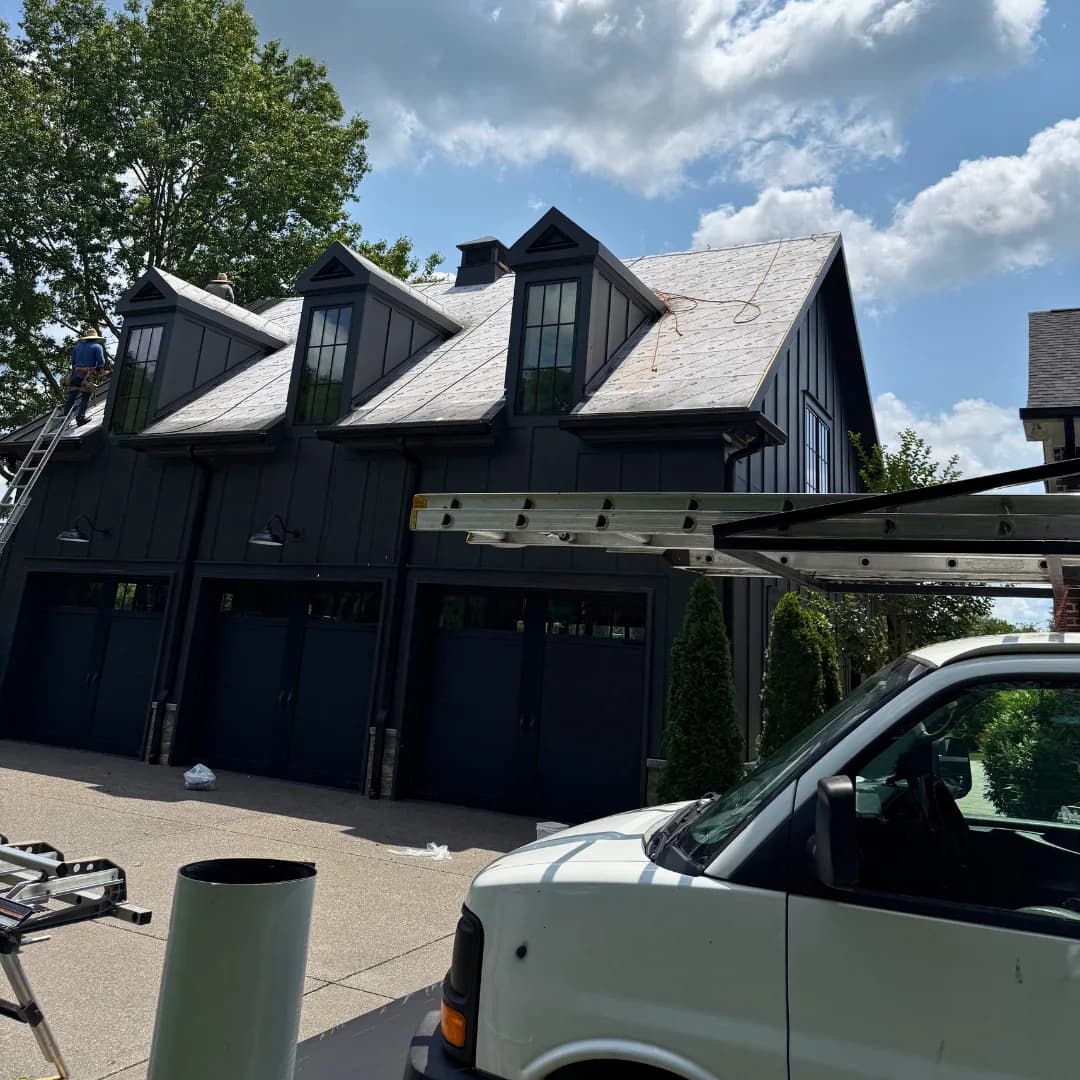
The longest-lived roof we install, and the one Tennessee summers argue for. Concealed fasteners mean nothing to back out, and the panel sheds water without relying on a seal.
- Profile
- Concealed-fastener standing seam
- Best for
- Full replacement, long hold
- Also
- Barns and outbuildings
Cedar shake
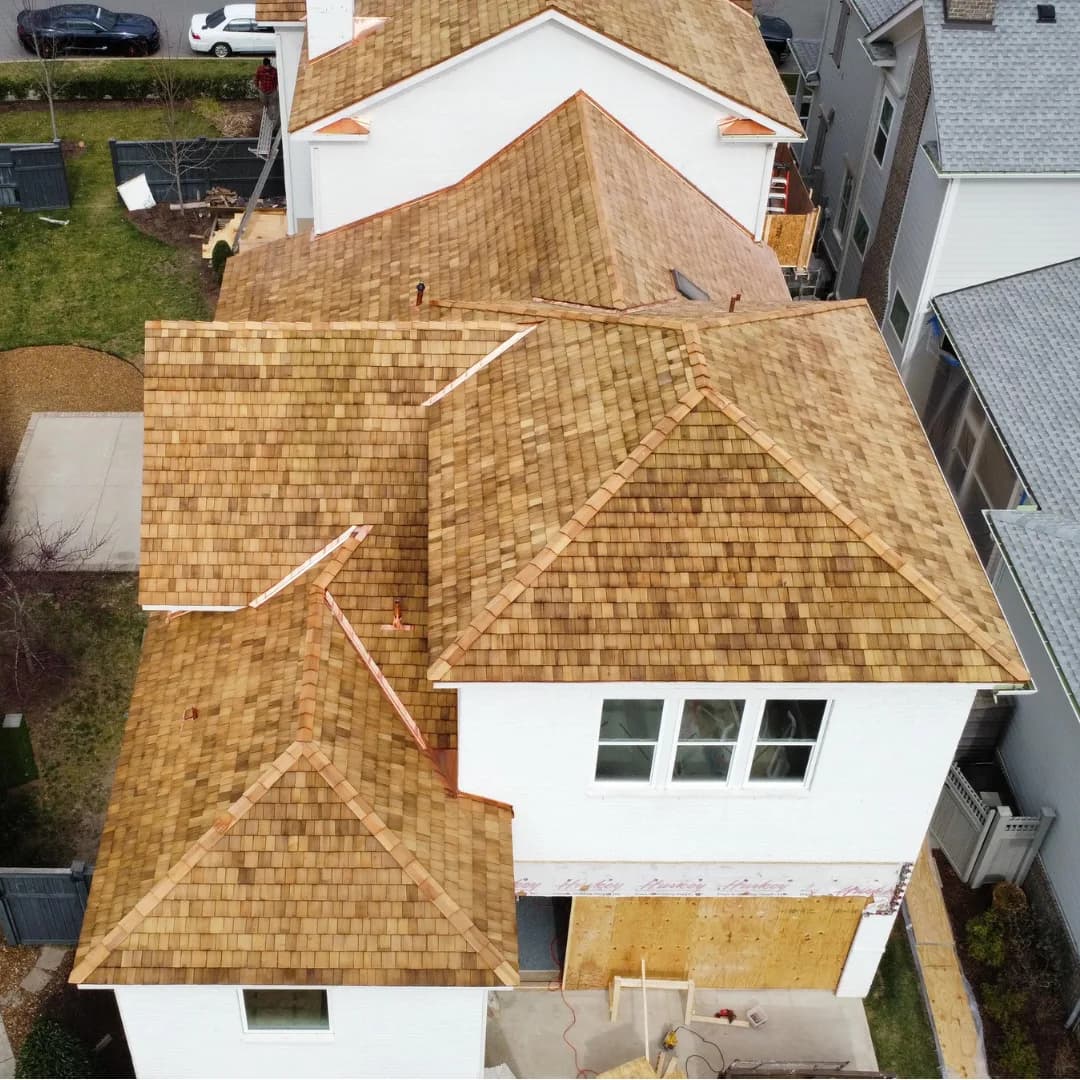
Split wood, with the depth and shadow no composite reproduces. It insulates as well as it looks, and on the right house it is the roof the architecture was drawn for.
- Material
- Natural split cedar
- Best for
- Homes where the roof is visible architecture
- Trade-off
- Maintenance in exchange for character
Brava synthetic tile
Composite slate and shake molded from real originals — the look of a slate roof without the structural weight a slate roof demands. We are an authorized Brava representative.
- Material
- Molded composite
- Best for
- Slate and shake looks on standard framing
- Status
- Authorized representative
TPO membrane
Single-ply thermoplastic for flat and low-slope commercial roofs. Seams are heat-welded rather than glued, and the white surface sends summer load back up instead of into the building.
- Type
- Thermoplastic single-ply
- Seams
- Heat-welded
- Best for
- Flat and low-slope commercial
EPDM membrane
Rubber membrane for a commercial roof that has to move — thermal cycling, deck deflection, foot traffic — without splitting. Long service life, and repairs are straightforward when they are needed.
- Type
- Rubber single-ply
- Best for
- Roofs that move
- Repair
- Patchable in place